
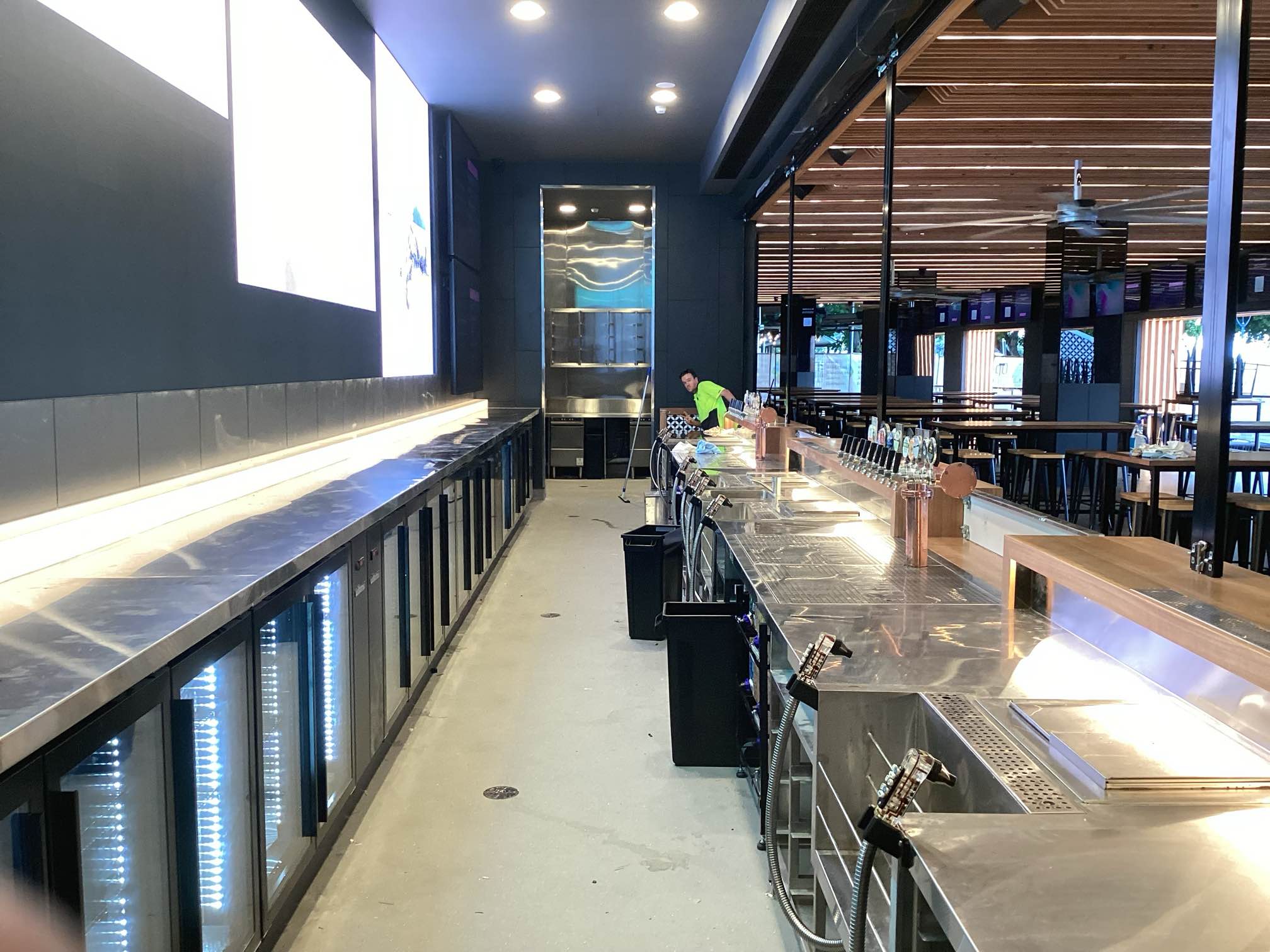
Most of the cost of a fabricated metal job is decided before anything reaches the workshop floor. The drawings, the material, the finish and how the job is packaged all set the price long before we cut the first sheet.
1. Send complete drawings
Incomplete drawings cost money twice. First in the quote, because unknowns get priced in as allowances. Then on the job, because changes after cutting mean remaking parts.
The drawings that get the tightest price show:
overall sizes and any site-measured dimensions
material grade and thickness
finish (brushed, polished, powder coat colour, anodised)
cut-outs, holes and fixing points
who is installing, and what it fixes to
If you don't have shop drawings, we can help put them together. It's cheaper to sort out the detail on paper than on site.
2. Use the right grade, not the highest grade
316 stainless is excellent near the ocean or outdoors, but it costs more than 304. Inside a kitchen away from salt air, 304 usually does the job. The same goes for thickness: heavier gauge where a bench carries heavy equipment, standard gauge where it doesn't.
We'll tell you when a cheaper grade will do, and when it won't. On the Gold Coast, plenty of sites are close enough to the beach that 316 is worth it. Getting that right at quote time saves you replacing rusted parts later.
3. Design around the workshop
Small design choices change how long a part takes to make:
Keep long parts in one piece. Our 4 m hydraulic press brake can fold long bench tops and splashbacks in one piece. Designing runs to suit avoids joins, which take time to weld and finish.
Reduce the number of bends and parts. Every extra fold, weld and part adds labour.
Use standard sheet sizes. Parts that nest well on a standard sheet waste less material.
Save curves for where they count. A curved bar front looks great, and we're happy to build it, but it takes longer than a straight one.
4. Pick finishes early
Brushed stainless is the most cost-effective finish for most kitchen work. Polished finishes take more time. Powder coating and anodising go out to a specialist coater, which adds cost and time. Picking finishes at quote stage means the price is right the first time, and there's no delay waiting on a colour decision.
5. Package the metalwork
Stainless, mild steel and aluminium are all made in our Arundel workshop. Giving us the whole metal package on a job (benches, canopy, shopfront, screens, brackets) usually costs less than splitting it between suppliers. Material is bought together, and there's one delivery and install program. Your site team has one contact instead of three.
6. Get it made to measure
Off-the-shelf benches and brackets look cheaper at first. But when they don't quite fit, the cost shows up on site as packers, cut-downs and extra trades. Parts made to your drawings and site measurements go in first time. Well-made stainless and steel lasts for years, so you're not paying to replace it either.
7. Give us time
Rush jobs cost more because they push other work around. The earlier we have drawings, the easier it is to fit your job into the workshop schedule without overtime. See how long sheet metal fabrication takes for typical lead times.
Want a sharper price on your next job?
Send your drawings through and we'll come back with a free, no-obligation quote. If we see a way to save you money, we'll tell you. Call Tyler on 0497 829 990, email admin@trsfabrication.com.au, or request a quote online.
See all our services for builders and shopfitters.